Brampton Deep Cleaning Experts
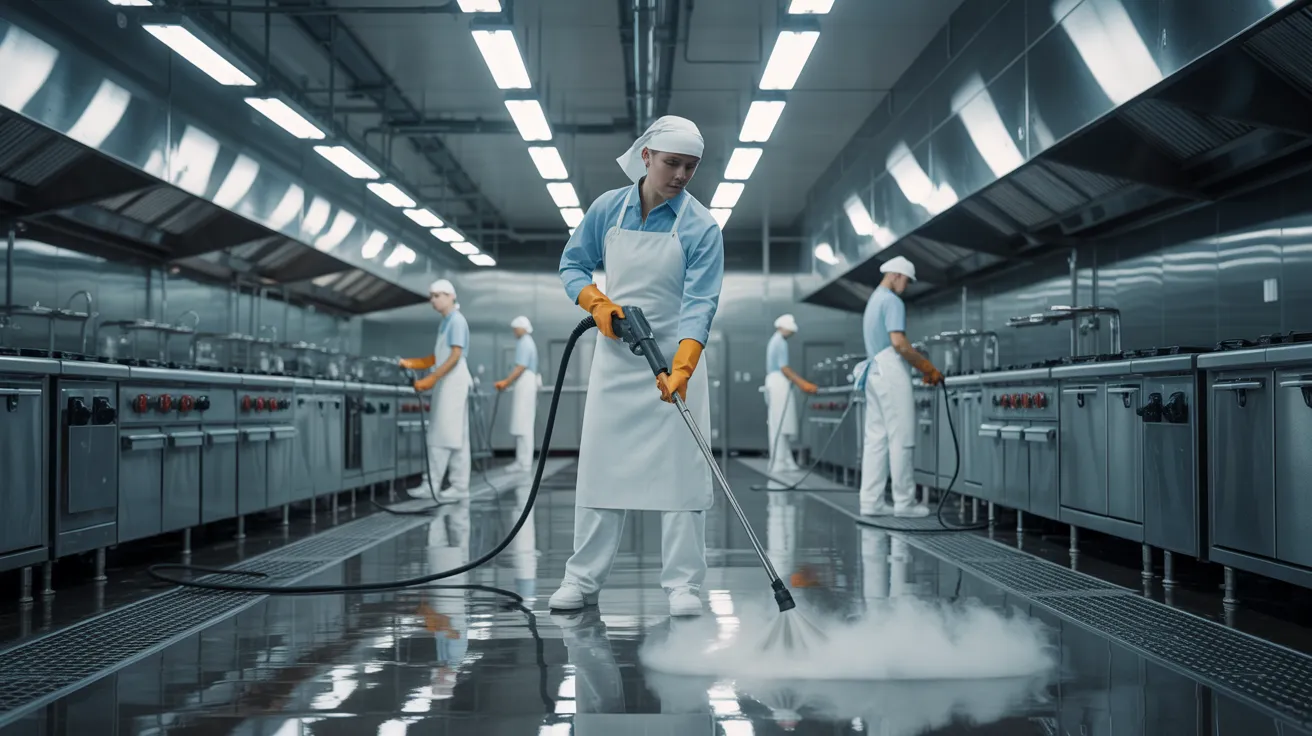
Professional food safety experts located in Brampton ensure food service establishments, commissaries, baking enterprises, warehouses, and food service vehicles in compliance. They treat frequently handled areas, food prep surfaces, equipment, floors, drains, restrooms, and preparation zones using approved sanitizers, in correct dilution, and with verified times.
Key Takeaways
- Brampton food safety cleaning experts service restaurants, grocery departments, commissaries, warehouses, bakeries, schools, mobile vendors, and allergen-sensitive operations.
- High-touch surfaces, food-contact equipment, kitchens, floors, drains, restrooms, and storage areas are cleaned using zone-based workflows to prevent cross-contamination.
- Certified specialists confirm approved sanitizer dilution, suitability, and contact time, then log completion with tests, assessments, and correction logs.
- Sanitation schedules ought to follow threat, throughput, format changes, releases, and regulations, with routine, recurring, and cyclical duties designated by section.
- Insurance, colour-coded tools, HACCP, sanitation competency, safety training preparation, endorsements, and inspection-ready sanitation paperwork are critical provider attributes.
Food Safety Cleaning Requirements for Brampton Operations
You must maintain food safety cleaning if your operation is regulated by health department oversight, food standards, or HACCP requirements. This covers food venues, break rooms, food centers, supermarket areas, butcheries, seafood displays, shops, and commercial food prep.
Proper hygiene protocols is necessary in distribution centers, manufacturing facilities, cold storage areas, bakery retailers, educational meal programs, banquet venues, and meal delivery services. Mobile and temporary operations count too, examples being catering vehicles, festival vendors, and pop-up establishments. Your facility needs written cleaning standards whenever your employees handle raw materials, divide prepared dishes, warm meals, or keep allergens stored. In Brampton, hygiene stays discretionary; it comprises lawful, operational, and customer protection standards.
What Do Brampton Cleaning Professionals Handle?
You need cleaning experts who disinfect frequently contacted areas, kitchen areas, floors, and bathrooms to comply with food safety and health regulations. They target these areas because they pose the greatest danger for contamination spread, slip hazards, and hygiene violations.
When you understand what they clean, you can verify that your facility's cleaning scope meets compliance and operational standards.
Prioritizing High-Touch Surface Disinfection
base sanitization schedules considering foot traffic, environmental hazards, and business activities.
via replacing cloths, following associated resource one-way systems, and organizing cleaning tools separate according to section
Food Prep Areas, Flooring, and Sanitary Facilities
Expect Brampton cleaning experts to focus on kitchens, floors, and restrooms because each area carries distinct foodborne illness prevention, slip-and-fall, and public health risks. In industrial kitchens, you need degreasing on cook lines, equipment exteriors, drains, prep surfaces, and splash zones to minimize contamination and pest pressure.
Documented floor maintenance is likewise provided as part of the service.
Restroom sanitation involves sanitizing surfaces, fittings, separators, dispensers, and containers, replenishing amenities and managing odor. They also maintain restaurant cleaning supply rooms where product storage, sink cleanliness, and drain systems impact daily sanitation standards and worker protection.
Why Food Safety Cleaning Matters in Brampton
Brampton businesses need to implement food-safe cleaning standards for meeting legal standards and obtaining approval. You also minimize cross-contamination by cleaning and sanitizing food-contact surfaces, equipment, and high-touch areas correctly. Most importantly, you help protect community wellness by reducing the chance of food poisoning in your establishment.
Health Code Compliance
Brampton food businesses must comply with mandatory safety protocols, so sanitation practices is key to fulfilling health codes, defending customers, and avoiding penalties. You must maintain hygienic food handling zones, verifiable cleaning logs, safe chemical management, and auditable operational standards that correspond to municipal and provincial inspection expectations.
During regulatory examination of your operation, auditors assess whether your sanitation system facilitates secure product handling, machinery hygiene, waste handling, and washroom maintenance. Well-maintained cleaning files permit you to demonstrate due diligence during official assessments and demonstrate that your procedures are standardized, consistent, and tracked.
Cross-Contamination Prevention
Meeting health code standards also depends on your capacity to stop cross-contamination during routine food preparation and sanitation. You must keep raw items away from prepared dishes, sanitize prep surfaces between tasks, and keep cleaning products separate from food areas. Clear procedures reduce transfer risks and ensure ongoing adherence to health checks.
Building allergen segregation prevents key allergens from reaching common workstations, storage, or apparatus. Utilize dedicated cutting boards, color-coded tools, and precise instrument labeling so team members won't blend products during preparation or service.Enforce handwashing after handling raw meat, seafood, eggs, or allergen-containing products. Swap wiping cloths regularly, and confirm disinfectant efficacy using test strips. When your team follows these practices every shift, you foster a cleaner, more secure operation that exceeds Brampton's safety standards daily.
Community Health Assurance
Should cleaning standards collapse, you don't simply encounter inspection problems—you expand the odds of contamination-related sickness harming customers, staff, and the wider Brampton population. You also weaken your role in protecting public health, especially in high-traffic food premises where pathogens travel quickly through surfaces, equipment, and touchpoints.
You require cleaning protocols that eliminate soils, disinfect appropriately, and confirm results. This requires following contact periods, using authorized sanitizers, documenting procedures, and educating staff to satisfy regulatory requirements. These controls promote illness spread by decreasing microbial counts before reaching surfaces or food. Throughout Brampton, effective sanitation safeguards susceptible populations, reduces outbreak risk, and proves accountability. When you follow proper protocols, you exceed regulations—you mitigate risk and enable safer food service throughout the area.
How Does Cleaning Support Food Safety Compliance?
Maintaining rigorous cleaning routines supports food safety compliance by reducing contamination risks, controlling pathogen growth, and keeping your facility in accordance with sanitation requirements under HACCP-based programs and public health regulations. You verify that food-handling surfaces stay visibly clean and microbiologically controlled, supporting documented preventive controls and inspection readiness.
Cleaning efforts additionally amplify allergen prevention by removing residues that can trigger undeclared allergen exposure.
Determining When to Schedule Commercial Cleaning
maintenance activities.
Use every week or monthly schedules
How Do You Choose Brampton Cleaning Experts?
Screen providers initially by their food hygiene standards—not budget alone. You need to verify that every company meets CFIA, public health, and HACCP standards for your operation. Demand insurance verification, WHMIS compliance, training records, and management systems. Evaluate technician knowledge of cross-contamination risks, chemical safety, and documented sanitation practices.
You must also evaluate operational reliability and oversight. Seek references from food facilities in Brampton, then assess response speed, corrective processes, and communication standards. Ensure the company enables supplier checks and can provide inspection-ready documentation when authorities or third parties demand verification. Verify equipment care, color-coded items are deployed correctly, and operational-specific risks are understood. A reputable service protects compliance, product safety, and your market standing.
What does a cleaning and sanitation plan encompass?
Develop a written strategy that clarifies every sanitation responsibility, standard, and task before production begins. You should outline cleaning schedules, authorized chemicals, concentration levels, contact duration, implements, and validation techniques for each zone, surface, and piece of equipment. Incorporate pre-operational inspections, corrective actions, and employee training requirements.
Your program should also cover contamination prevention, garbage management, pest control procedures, and recorded timelines for bathrooms, drainage systems, surfaces, and food-preparation zones. Detail how you'll keep raw and prepared foods apart, enable ingredient tracking, and ensure accurate allergen labeling through validated cleaning between product changes. You should designate accountability, keep signed records, and compare results against regulatory standards, HACCP controls, and customer requirements. When gaps appear, update procedures immediately and re-educate staff.
Frequently Posed Questions
Do cleaning services work during nighttime hours at Brampton properties?
Yes, you can contract sanitation providers to manage nighttime operations in Brampton facilities. You'll manage overnight sanitation around operational windows, security controls, and staffing levels. Providers generally establish overnight procedures to minimize interruption, copyright compliance, and document finished tasks. You should confirm timeframes, management, lockout protocols, and disposal methods before service starts.
Are hazard containment solutions provided from sanitation professionals?
Yes, you can locate Brampton cleaning professionals providing hazard containment options. They manage contamination, evaluate risks, isolate contamination, and begin swift decontamination to reduce risk and avoid operational impact. You should verify response rates, credentials, PPE measures, and waste procedures. If your facility must adhere to regulations, pick a provider that tracks incidents, adheres to standards, and supports verification.
Will environmentally safe disinfectants protect safely food-contact surfaces?
In essence, natural disinfectants function safely for food-contact surfaces provided you source disinfectants approved for food contact that adhere to regulatory requirements. Verify application timing, mixing proportions, and rinse requirements in advance of use. Natural-based solutions lower toxic chemical contact, although you must have proof of efficacy against relevant pathogens. To ensure residue free surfaces, adhere to manufacturer directions precisely and validate the sanitizer meets food sanitation requirements.
Will sanitation programs adjust for seasonal production changes?
Absolutely, maintenance plans are customizable for seasonal production changes. Adjust timing, labor allocation, disinfectants, and confirmation procedures to correspond to operational cycles while sustaining regulatory requirements. Lower production downtime through timing disinfection amid changeovers, peak volumes, and usage patterns. Additionally, update SSOPs, training, and monitoring protocols to reflect temporary risks, novel allergens, or elevated soil levels. Continuous reviews ensure the plan functional.
Do professional cleaning services train staff on sanitation best practices?
Indeed, professional cleaners typically provide employee coaching on proper hygiene. Your team receives training on proper chemical use, contact times, cross-contamination prevention, equipment disassembly, and record-keeping. They generally adhere to training with HACCP, GMP, and CFIA or regional health standards criteria. Many perform sanitation audits to verify compliance, reveal issues, and reinforce corrective actions. This assists you to establish reliable processes, achieve compliance, and decrease foodborne illness risks on a daily basis.
Summary
Partnering with Brampton food safety and commercial cleaning experts means more than cleaning—it ensures your facility meets inspection standards and your standards remain compliant. From processing facilities to kitchens, each cleaned area and maintained corner lessens contamination risk and prevents major expenses. By arranging service at suitable frequencies and implementing a thorough cleaning program, you shield staff, your customers, and your reputation. In a tightly controlled market, sanitary conditions are non-negotiable—they're vital to proper management.